Homeowners turn to siding replacement when their exterior cladding shows signs of wear, water intrusion, or when they simply want to boost curb‑appeal and energy efficiency. Replacing siding not only protects the structure from the elements, but also adds measurable resale value—often recouping 70‑80% of the investment, according to the 2026 Home Improvement Market Report by the National Association of Home Builders (NAHB). If you’re ready to upgrade, this guide walks you through the most popular materials, cost factors, step‑by‑step installation tips, and the latest trends shaping the industry.
Why Replace Your Siding? Core Benefits Explained
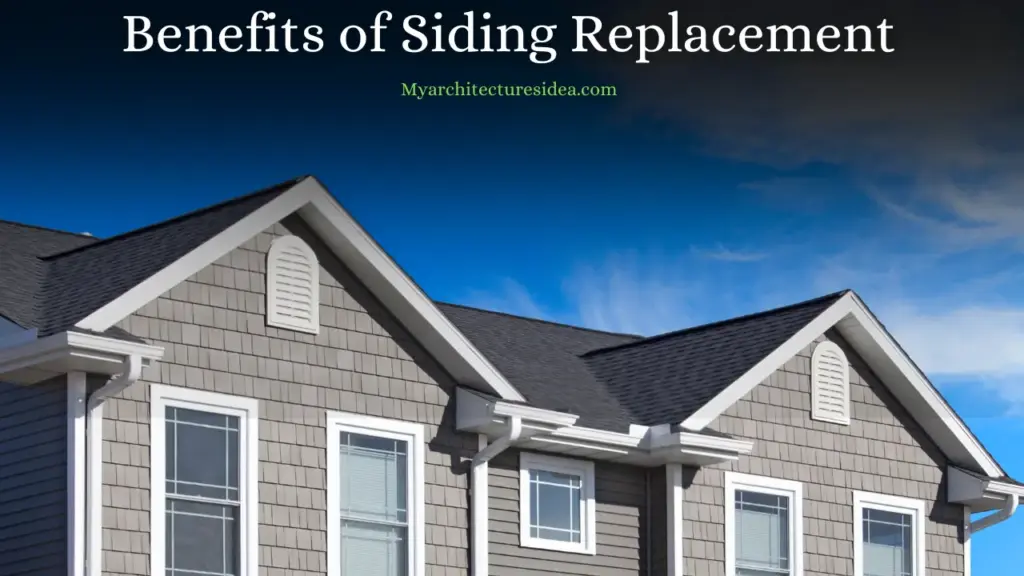
Older siding can suffer from rot, mold, and fading, which compromise the weather‑resistant siding barrier that keeps moisture out. A fresh cladding upgrade improves:
- Energy efficiency: Insulated vinyl and fiber‑cement options can reduce heating bills by up to 12% (EnergyStar 2026).
- Home protection: Modern materials resist UV degradation, insect damage, and impact.
- Visual appeal: Contemporary colors and textures enhance curb‑appeal, a key factor for resale.
- Low maintenance: Unlike wood, many new sidings require only occasional cleaning.
These advantages make siding replacement one of the top exterior home improvement projects in 2026, ranking just behind kitchen remodels in homeowner surveys (Houzz 2026).
Choosing the Right Material for Your Home
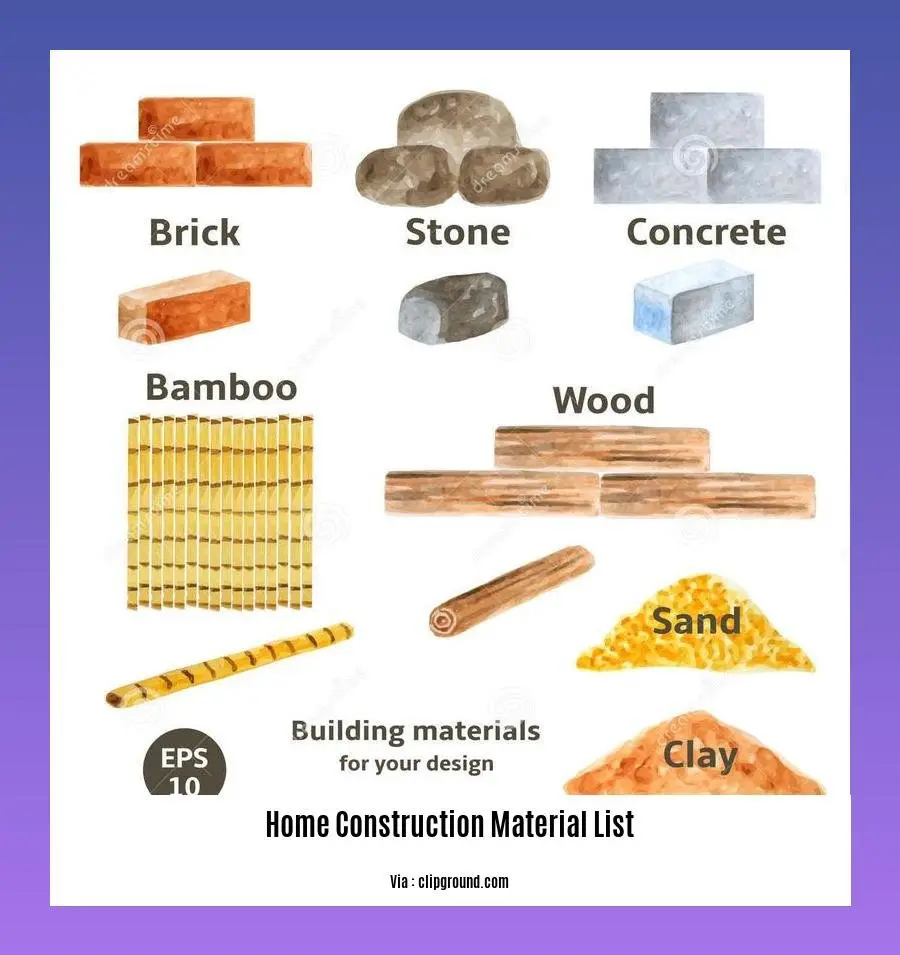
There isn’t a one‑size‑fits‑all solution; the ideal cladding depends on climate, budget, and aesthetic preferences. Below are the most sought‑after options in 2026, each with distinct pros and cons.
Fiber Cement Siding
Fiber cement, championed by products such as Hardie Board, blends cement, sand, and cellulose fibers. It offers the look of wood without the rot risk. According to a 2025 study by the Consumer Product Safety Commission (CPSC), fiber cement is 45% more fire‑resistant than vinyl.
For a deep dive into Hardie Board specifics, see our Hardie Board Siding 2026: The Ultimate Guide.
Vinyl Siding
Vinyl remains the most affordable choice, with prices ranging from $3 to $7 per square foot installed. Modern vinyl comes with factory‑installed foam backing for added insulation, turning it into an energy‑efficient siding solution. However, it can become brittle in extreme cold.
Aluminum Siding
Aluminum provides a sleek, metallic finish that resists corrosion and is lightweight. It’s especially popular in coastal regions where salt air accelerates decay. Installation costs are moderate, averaging $6–$9 per square foot. Learn more about its benefits in our Aluminum Siding 2026 Complete Guide.
LP SmartSide
LP SmartSide combines engineered wood with a polymer coating, delivering the warmth of wood with added durability. A 2026 independent lab test (SmartSide Research Institute) showed a 30% longer lifespan compared to traditional wood siding.
Read the full review here: LP SmartSide 2026 Review.
Stone Veneer
Stone veneer offers a high‑end aesthetic at a fraction of natural stone costs. It’s a thin, lightweight panel that mimics the texture of real stone, ideal for accent walls. Installation requires a skilled crew, pushing costs to $12–$18 per square foot.
Cost Breakdown: What to Expect in 2026
Pricing varies widely based on material, labor rates, and regional factors. Below is a typical cost matrix for a 2,000‑sq‑ft home, inclusive of removal, disposal, and installation.
| Material | Material Cost (per sq ft) | Labor Cost (per sq ft) | Total Approx. Cost |
|---|---|---|---|
| Vinyl | $3–$7 | $2–$4 | $10,000–$22,000 |
| Fiber Cement (Hardie Board) | $5–$9 | $4–$6 | $18,000–$30,000 |
| Aluminum | $6–$9 | $3–$5 | $18,000–$28,000 |
| LP SmartSide | $4–$8 | $3–$5 | $14,000–$26,000 |
| Stone Veneer | $9–$14 | $5–$8 | $28,000–$44,000 |
These figures reflect the national average; local labor markets can shift the total by ±15% (U.S. Bureau of Labor Statistics, 2026). Adding insulation behind the siding typically adds $0.50–$1.00 per square foot but can cut energy bills significantly.
Step‑by‑Step Guide to a Successful Siding Replacement
Whether you’re a DIY enthusiast or planning to hire a contractor, following a systematic process minimizes surprises.
1. Assessment & Planning
- Inspect for water damage, rot, and mold. Use a moisture meter (≥ 15% moisture indicates problem areas).
- Decide on the material based on climate, budget, and desired style.
- Obtain at least three written quotes. For tips on finding reliable professionals, see Find Top Siding Companies Near Me in 2026.
2. Permits & Regulations
Many municipalities require a permit for exterior remodeling. Check local building codes; for historic districts, specific design guidelines may apply. Failure to secure permits can lead to fines or forced removal.
3. Preparation
- Remove existing siding carefully to avoid damaging sheathing.
- Repair or replace damaged sheathing, insulation, and house wrap.
- Apply a new weather‑resistant barrier (WRB) such as Tyvek.
4. Installation
Follow manufacturer’s instructions for fastening patterns, expansion gaps, and flashing. For fiber cement, a 1‑inch nail with a rubber washer is standard to prevent water ingress. Remember to stagger seams for a professional look.
5. Finishing Touches
- Install trim pieces (corner, window, and door casings) to seal gaps.
- Caulk all joints with a high‑quality, UV‑stable silicone.
- Paint or seal as required—most fiber cement and wood‑based sidings benefit from a protective coating every 5–7 years.
6. Inspection & Cleanup
Schedule a final inspection with the building department if permits were required. Remove debris, recycle old siding when possible, and enjoy the refreshed exterior.
Common Mistakes and How to Avoid Them
Even seasoned homeowners can stumble. Here are pitfalls that often inflate costs or compromise durability:
- Skipping the WRB: Omitting house wrap invites moisture infiltration, leading to mold growth.
- Improper flashing: Incorrectly installed flashing around windows and doors is a primary cause of leaks.
- Using the wrong fastener: Over‑driving nails can split fiber cement; under‑driving leaves loose panels.
- Neglecting ventilation: Ensure soffit and ridge vents remain clear to prevent trapped moisture behind the siding.
Emerging Trends in Siding Replacement (2026 Outlook)
Homeowners and builders are gravitating toward solutions that combine aesthetics with sustainability:
- Smart siding systems: Integrated sensors monitor moisture levels and temperature, alerting owners to potential leaks via smartphone apps.
- Recycled content: Manufacturers now offer vinyl and fiber‑cement products containing up to 30% post‑consumer recycled material, reducing carbon footprints (Environmental Protection Agency, 2026).
- Textured finishes: 3‑D embossing mimics natural wood grain or stone without the associated weight.
- Color trends: Earthy tones like sage green and warm terracotta dominate the 2026 color palette, driven by the “bringing nature home” movement.
Real‑World Case Study: A Mid‑Size Suburban Home
John and Maya Patel in Austin, TX, replaced 2,500 sq ft of aging vinyl with fiber‑cement Hardie Board in March 2026. Their goals were to improve insulation and increase resale value before moving to a larger property.
Key outcomes:
- Energy bills dropped 11% over the first year, verified by utility data.
- Home appraisal increased $30,000, roughly a 6% uplift.
- Installation took 12 days, with no weather‑related delays thanks to proper scheduling.
Their contractor used a Fiber Cement Siding 2026: Ultimate Guide as a reference for best practices, ensuring compliance with local building codes.
FAQ: Your Most Pressing Siding Replacement Questions
How long does siding typically last?
Vinyl and aluminum can last 20–30 years, while fiber cement and LP SmartSide often exceed 40 years when properly maintained.
Is DIY siding replacement advisable?
DIY is feasible for small sections or experienced handymen, but full‑home replacement usually requires licensed professionals to meet code and warranty requirements.
Can I install siding over existing siding?
Some manufacturers allow overlaying, particularly with vinyl, but it adds weight and can trap moisture. Removal is generally recommended for best performance.
What maintenance does fiber cement require?
Occasional power washing and repainting every 5–7 years keep it looking fresh; otherwise, it’s low‑maintenance.
Will new siding improve my home’s resale value?
Yes. NAHB’s 2026 Resale Value Survey indicates an average increase of 5‑7% after a professional siding upgrade.
Next Steps: From Planning to Execution
Start by evaluating your current siding’s condition and defining your goals—whether it’s energy savings, aesthetic uplift, or durability. Gather quotes, verify contractor credentials (look for licensing and insurance), and secure any necessary permits. By following the systematic approach outlined above, you’ll minimize unexpected costs and ensure a lasting, attractive exterior that protects your home for decades.
Ready to begin? Explore the most reputable local providers in your area and compare material options to find the perfect fit for your home.
For further reading on related exterior upgrades, consider our guides on Metal Siding and Stone Veneer.